


Turís, Spain, 1979: two figures and four impressions in the soil
A farmer near Turís described a white object and two figures beside his vineyard. Investigators documented ground marks, tested soil and returned almost thirty years later. Photographs and drawings preserve the investigation.
Avi Moas, Researcher and Editor-in-Chief · Produced with an AI-assisted newsroom

Four meters away
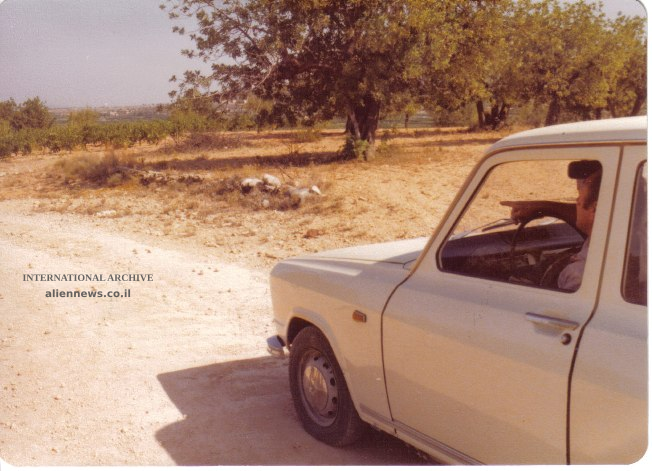
Federico Ibáñez thought the glint ahead came from a car belonging to someone he knew. Only when he was about four meters away, he said, did he realize that the white object blocking the track had no wheels and resembled half an egg standing on legs. It was 25 July 1979, near Turís in the Spanish province of Valencia.
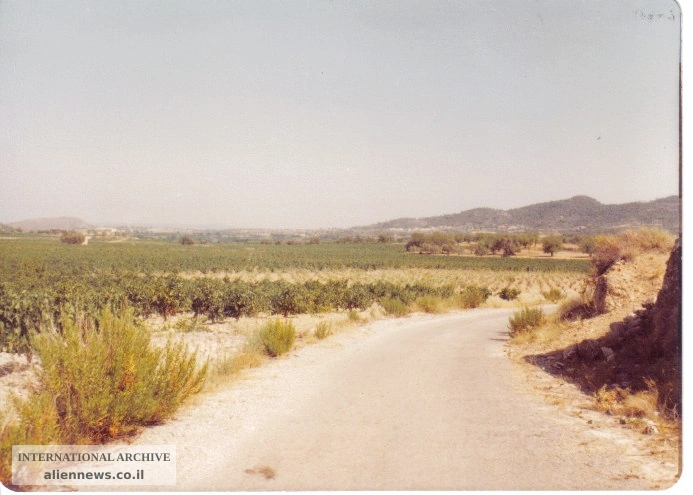
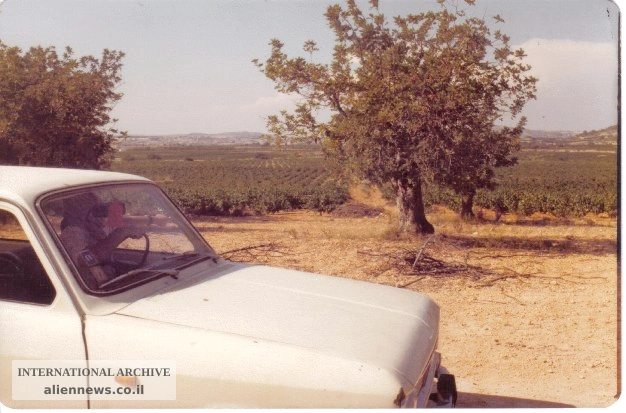
Ibáñez, a 54-year-old farmer, had set out from Turís at about 11:30 to collect grapes for a family meal on the feast of Saint James. His vineyard was roughly four kilometers away. Driving his Renault 6, he noticed a reflection about 700 meters before his destination, then lost sight of it as the track curved. When it came into view again, some 50 meters ahead, he still expected to find a parked SEAT 600.
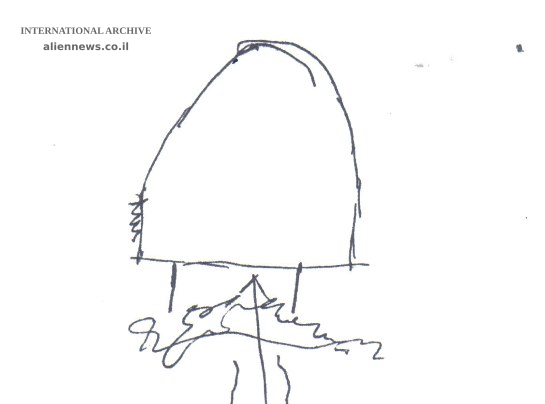
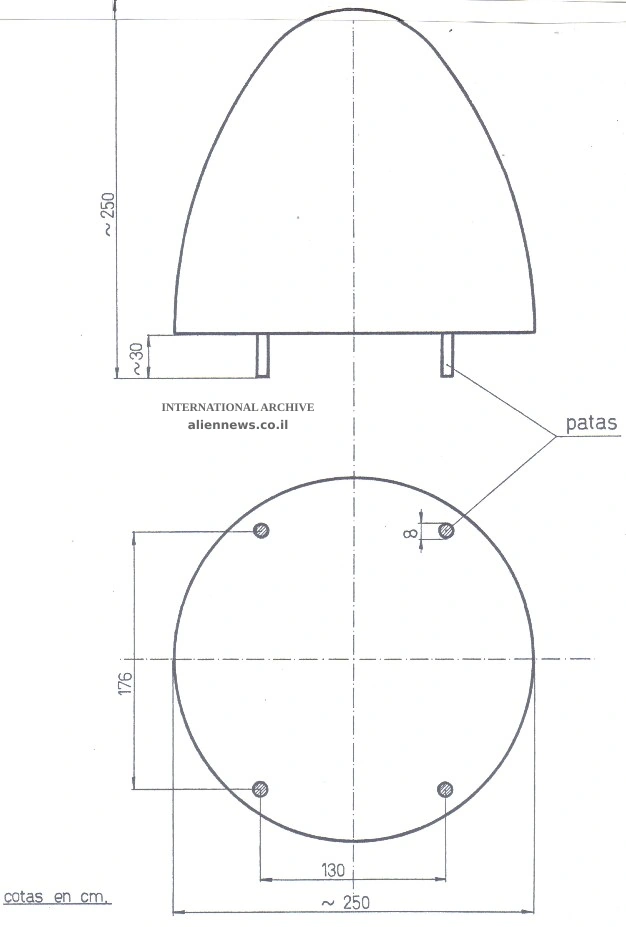
In the account he gave investigators, the object had a flat base and an intensely bright white surface that looked metallic. He estimated its width and height at about two and a half meters, including two short supports beneath it. His car was close to it, and he was still behind the wheel.

Two seconds beside the carob tree
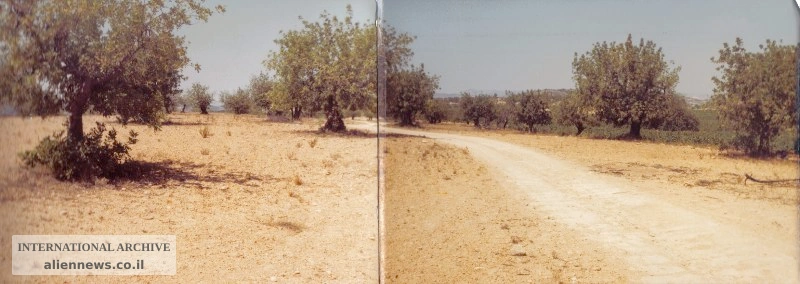
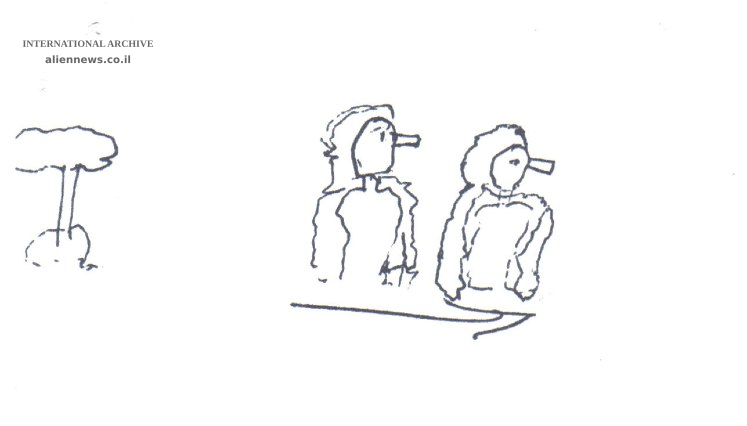
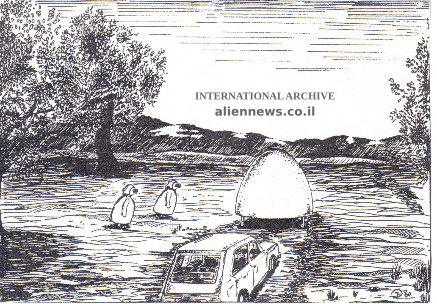
A carob tree stood about 11 meters to the left of the car. From behind it, Ibáñez said, two identical small figures emerged, ran one after the other and entered the left side of the object. Neither turned towards him. He estimated that he had seen them in profile for about two seconds.
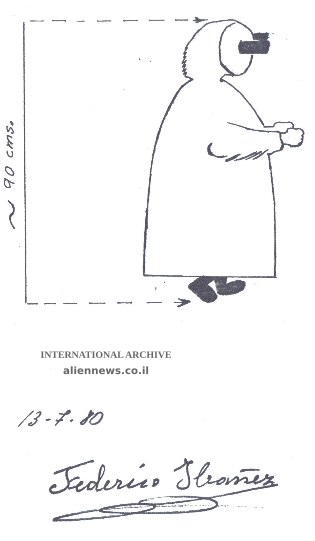
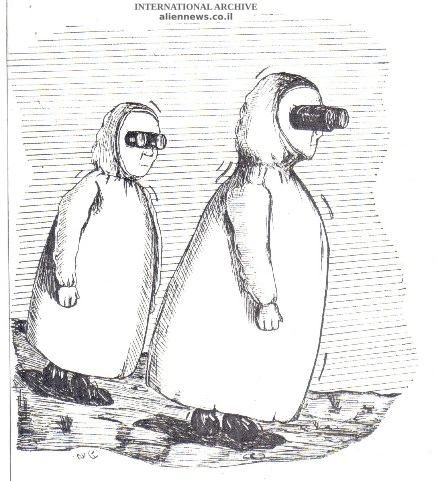
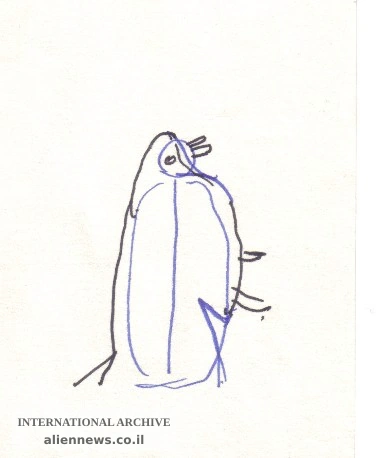
His original description put their height at roughly 80 to 100 centimeters. He described very broad white clothing that seemed inflated with air and reached almost to the ground. Small dark feet protruded beneath it. Their short arms were bent and held close to their bodies. Dark tubes, about seven or eight centimeters long, projected from their faces and reminded him of elongated welding goggles.
Immediately afterwards, he said, the object rose rapidly, stirring up a whirlwind of dust. Through the windscreen he saw a smooth circular underside; the supports were no longer visible. By the time he got out of the car, he could only see a bright point receding and disappearing. Despite having the driver's window open, he heard no sound. In the reconstructed timing, he estimated six seconds between recognizing that it was not a car and the start of its ascent, followed by another four before it vanished.
He collected the grapes and went home
After the encounter he described, Ibáñez continued to the vineyard and collected the grapes. Before leaving, he looked beside the carob tree to see whether anything had been left behind. At home he told his family what had happened, then returned to the location with them.
By then, the owner of the neighboring vineyard had parked his car there. According to the account presented by investigator Vicente Juan Ballester Olmos, Ibáñez was too embarrassed to tell him what he had seen. His family thought that dust had been cleared from the ground near the track, and they found two holes beside the tree. The four impressions that would attract the investigators' attention were discovered on a later visit. The family had not witnessed the encounter itself.
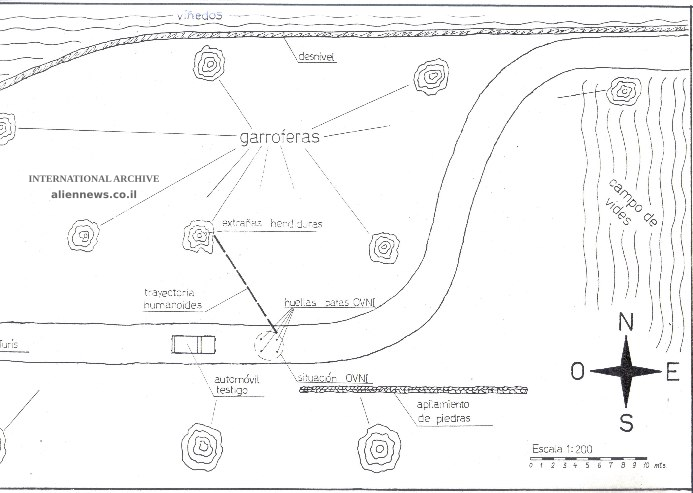
A newspaper item brought investigators to the track
As the story circulated around the town, it reached a local correspondent. On August 10, the newspaper Las Provincias published a short report. Two days later, seven university students from the Valencian UFO research group AVIU arrived, led by Juan Antonio Fernández Peris. They returned on August 14 and stayed at the location for 30 hours.
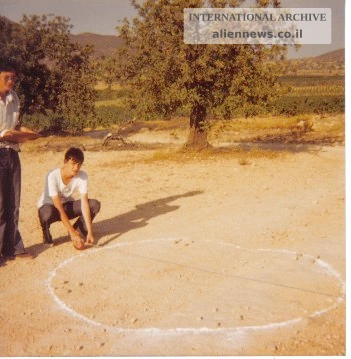
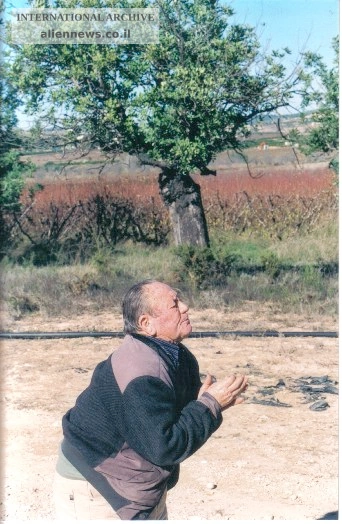
The group interviewed Ibáñez, measured distances and worked through the dimensions and durations he described. He had already used a stick to mark a circle where he said the object had stood. The investigators reinforced the outline with plaster to reconstruct its extent. Their photographs preserve the track, the car, the witness and the work around that patch of ground.
On September 30, Ballester Olmos and physicist Miguel Guasp also visited, spending several hours examining the account and the location. Ballester Olmos would return to the case almost three decades later. His 2009 article brings the two periods of investigation together.
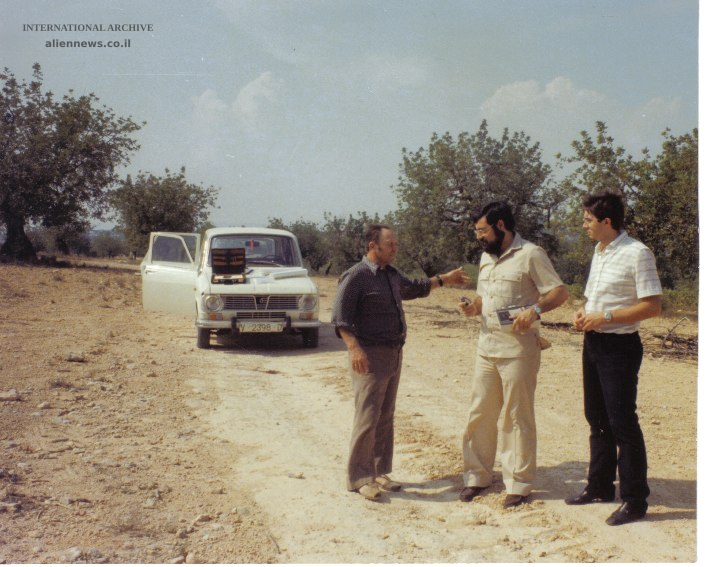
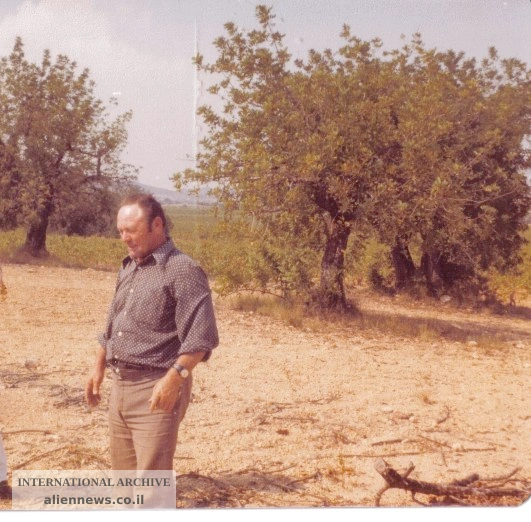
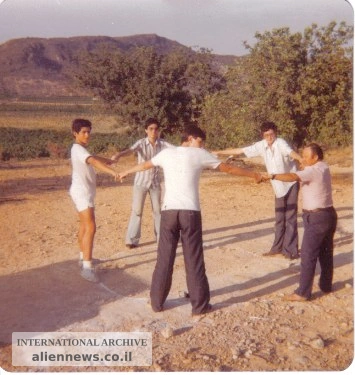
Four impressions, and no evidence of unusual heating
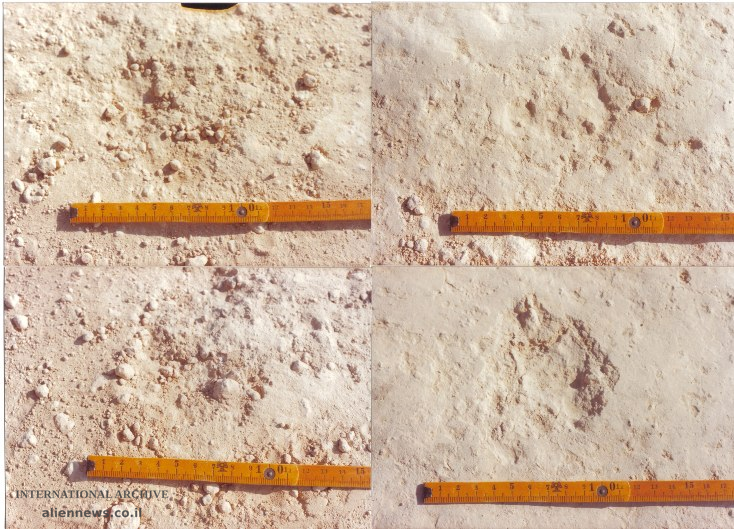
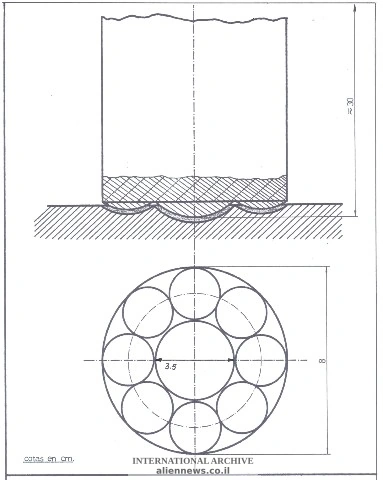
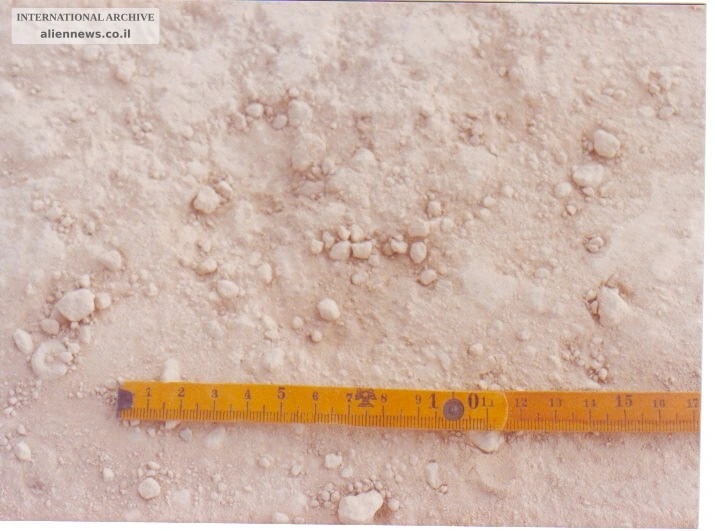
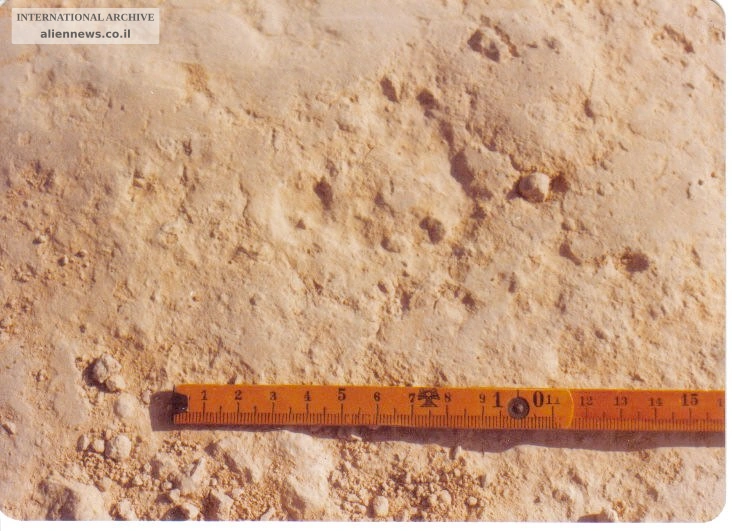
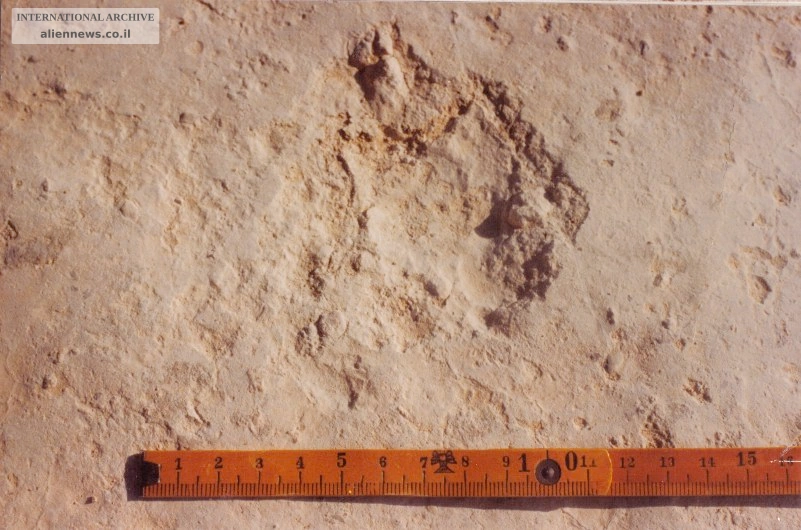
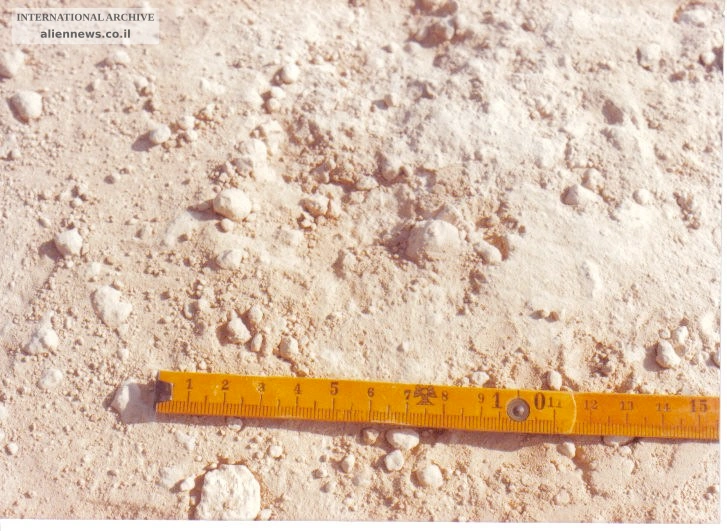
Inside the marked circle, the AVIU team found four impressions which, according to their measurements, occupied the corners of a rectangle measuring 176 by 130 centimeters. Two were badly eroded. The other two could be measured and cast in plaster. Their reported pattern was a circle about eight centimeters across, containing a central depression surrounded by eight smaller ones.
Using a handheld instrument that tests the ground's resistance to penetration, the investigators tried to estimate the load needed to make the impressions. The article gives an estimate of approximately four tonnes, but the author acknowledges a potentially large margin of error. This was an inference from the soil, rather than a weighing of an object. The investigators reported finding no matching structure among local agricultural implements. A connection between the marks and the reported object was never demonstrated.
Five soil samples were collected three weeks after the event, from the marks, other parts of the track and beside the carob tree. According to the article's appendix, biologist José Luís Caso found no evidence supporting radiation emission or exposure to high temperature. Differences in the sample beside the tree were attributed to its soil type and organic content. These results are reported through the investigator's article; the original laboratory report and test protocol are not attached.
The drawing the witness signed
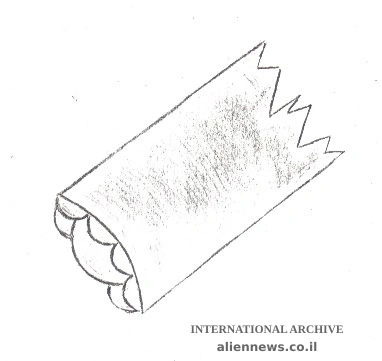
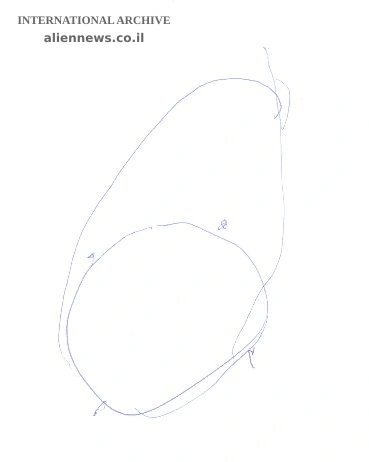
The visual record also shows how the verbal account became an image. Ibáñez drew the object and the figures himself during the 1979 interviews. His simple sketches sit alongside a map and technical drawings by Luis de Manuel, and artistic reconstructions produced for AVIU.
On another visit, on 13 July 1980, Juan Marcos Gascón prepared a reconstructed portrait of one of the figures. Ibáñez signed the finished version to indicate his approval. It is therefore a reconstruction approved by the witness, rather than a drawing he made himself.
That distinction matters when looking at a separate illustration by Ignacio Bernácer. Its original caption explicitly notes that the arms were drawn hanging down rather than bent, and that the facial details were the artist's additions. The field photographs record investigation visits. None of the investigators photographed the encounter Ibáñez described.
Almost thirty years later
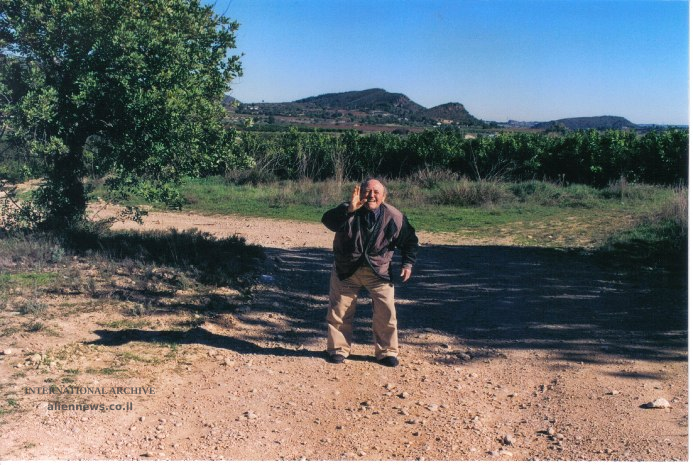
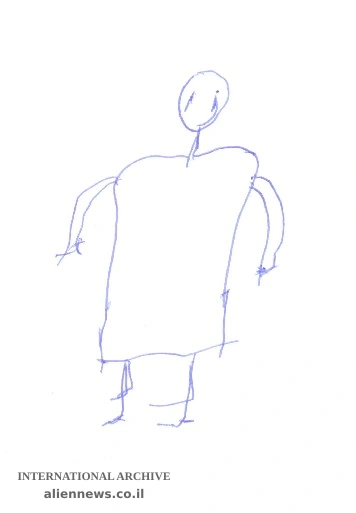
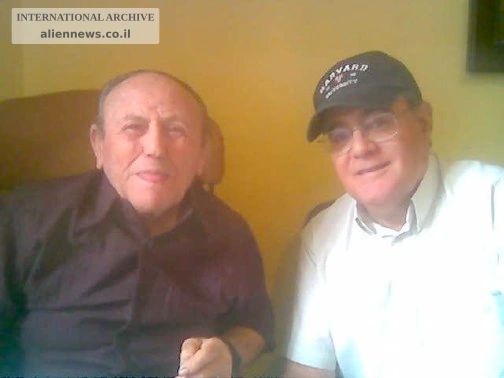
Ballester Olmos returned to Turís in September and November 2008. Ibáñez stood by his account and explicitly denied inventing it. The investigator found him sincere, as he had during the original interviews. Ibáñez simply called the object an apparatus, without proposing an extraterrestrial origin himself.
Alongside that consistency, the record preserves a clear change. He now estimated the figures' height at about 40 to 50 centimeters, compared with about 80 centimeters in his early account and approximately 98 centimeters in the field reconstruction. His new drawings were also less detailed. The author discussed these differences as part of comparing the accounts.
Ibáñez repeated one particular detail: he had seen no door opening or closing as the figures entered the object. His family continued to believe him. Their support and the investigators' impressions concern the man and his account. Ibáñez remained the encounter's only direct eyewitness.
The Star Wars disagreement
Researcher Luis R. González suggested a resemblance to characters from Star Wars: the stature of Jawas, the projecting eye devices of the Sand People, and clothing combining features of the two. The film had appeared in 1977, two years before the Turís report. The article also mentions the possibility that Ibáñez had encountered pictures in the press.
Ballester Olmos disagreed. He considered the resemblance strained, and the information he had gathered about the witness's limited exposure to cinema and media did not support such an influence. It remained a disagreement between investigators. No finding was presented that connected Ibáñez's story to the film.
Where the investigation ended
In the conclusion to his 2009 article, Ballester Olmos wrote that he had found no objective basis for establishing deception and no solid evidence that dismantled the account. He described a man who sincerely believed in his experience, while characterising the ground marks as circumstantial evidence. For him, the account remained unexplained. The material he collected did not independently verify the object or figures described in it.
The material behind the discussion can be read directly. The 27 page online version brings together the account, photographs from the visits, witness drawings, soil test results and disagreements between investigators. The original article appeared in Spanish in Más Allá, issue 242, in April 2009. In the photographs on the final pages, a ruler still lies beside each ground impression, as recorded in 1979. The article leaves their origin without an established identification.
Found another source or a detail to correct? Let us know.
