SITE INFORMATION
About Alien News
Last updated: September 3, 2026
Who runs the site
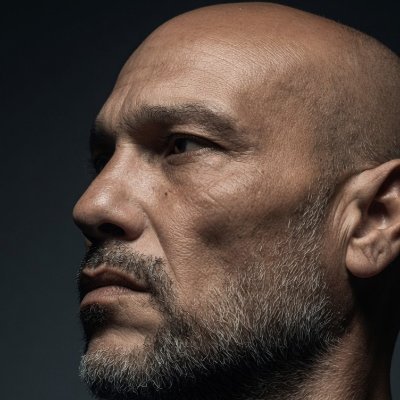
Alien News is founded and edited by Avi Moas, known online as Alien Avi. His connection to the subject began in childhood, long before UFOs became common online content. For the past 25 years he has studied the field consistently, following major cases and comparing early testimony, interviews, documents and footage released across decades.
Editorial transparency: Alien News is an independent magazine and archive edited by one person. Avi handles sourcing, writing, translation and source review. There is no staff newsroom or external expert board, so sources, limitations and corrections are shown openly to readers.
That work taught him that a meaningful case is rarely contained in one headline. It emerges when details published years apart are placed in the same frame. Alien News turns that accumulated knowledge into a living, searchable archive where people, dates and context remain attached to the story.
Publishing history and reach
Avi has created online content in the field since 2007. Over the years he operated several blogs and avimoas.com, an English-language documentation site presenting UFO footage, reports and cases to an international audience. His first YouTube channel reached approximately 30 million views before it was removed. His current channel contains more than 560 videos and has attracted nearly 4 million views, while Alien Avi videos on TikTok have passed 7 million views. Across the years, his work has therefore been viewed more than 40 million times.
An open mind without abandoning the facts
Alien News is for readers who reject both blind belief and automatic dismissal. We present the event, its source and the surrounding details, then leave the conclusion to the reader. We are an independent magazine, so our authority comes from transparency: readers should be able to see what every article rests upon.
Editorial method
We do not begin by asking whether a story sounds possible. We begin by asking what is actually in front of us. Every item passes four clear checks before an intriguing headline can become a claim of fact.
Who is the source?
We identify the publisher, their role and whether the material comes from a direct witness, a document or a quotation repeated online.
What actually exists?
We look for the full video, original document, date, location, transcript, sensor data and every detail readers can inspect directly.
What supports it?
We check for additional witnesses, another camera angle, official acknowledgement or an independent source describing the same sequence.
What remains open?
We separate fact, testimony and interpretation. A missing or disputed detail is identified without erasing the entire account.
Our purpose is not to decide what you should believe. It is to give you enough material to make that decision yourself.
Evidence levels
The label on an article does not grade a witness's honesty. It describes only the material currently available to the public.
- Verified: the source and central facts can be checked independently.
- Documented: records, footage or multiple witnesses exist, while interpretation remains open.
- Under review: the claim merits attention but decisive information is missing.
- Testimony: primarily based on a human account that cannot be fully verified.
- Historic dispute: sources conflict or remain incomplete.
What we do not publish
We do not publish a context-free clip simply because it looks impressive. We do not repeat a claim without tracing who made it, and we never invent details absent from the source. A clearly identified event is not kept as an open mystery, although a historically important case remains archived with the explanation later attached to it.
Advertising and sponsored content
Sponsored content or commercial partnerships, if published, will be clearly labelled alongside the content and identify the sponsor, distinguishing them from editorial coverage.
Accuracy and corrections
New material can change an old case. When a document, fuller video or factual correction appears, the article and its evidence label are updated. Corrections with a checkable source can be submitted through the contact page.