Light, figures and a gate: forty-eight accounts from the edge of life in China
A Chinese study compares accounts of reported life-threatening experiences with similar experiences in other circumstances. Light and disembodiment appear in both groups, alongside culturally specific imagery.
Avi Moas, Researcher and Editor-in-Chief · Produced with an AI-assisted newsroom
Research, hypotheses and ideas at the boundaries of knowledge.

The accounts behind the questionnaires
One participant described emerging from a tunnel into a vast white world and recognizing a weathered stone gate from Chinese tradition. Another expected two familiar figures to come and guide them onward. Light and a shift in the sense of self may sound familiar to readers of accounts from elsewhere. The named gate and figures belong to the world in which these narrators grew up.
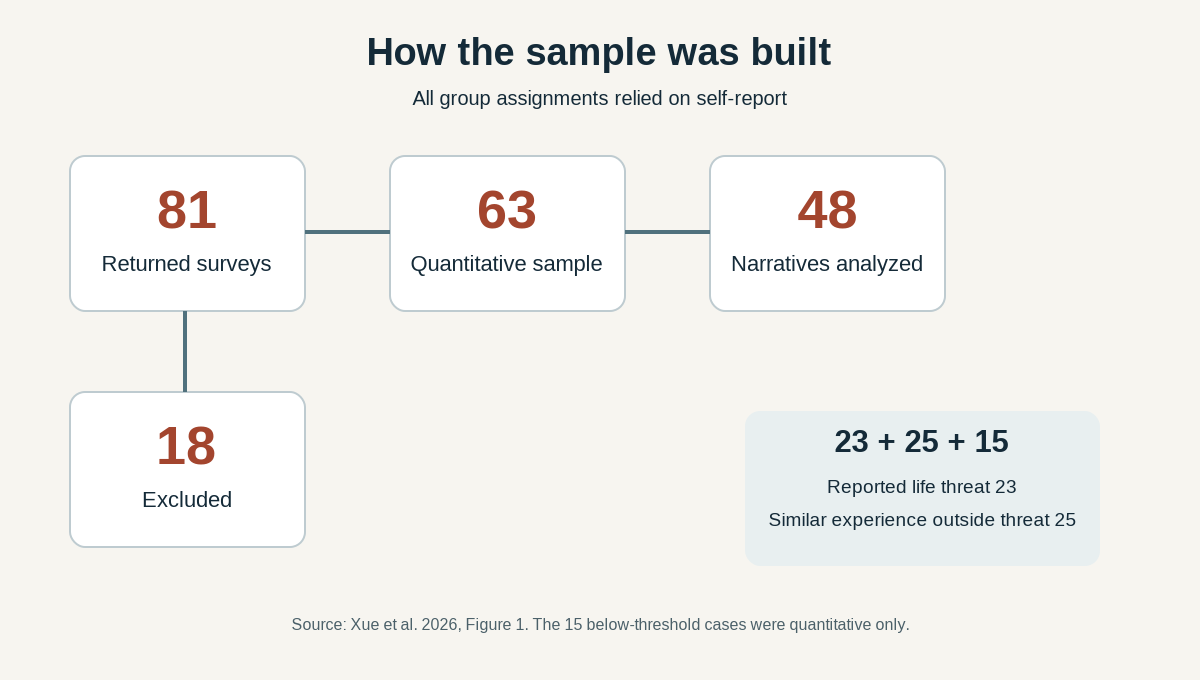
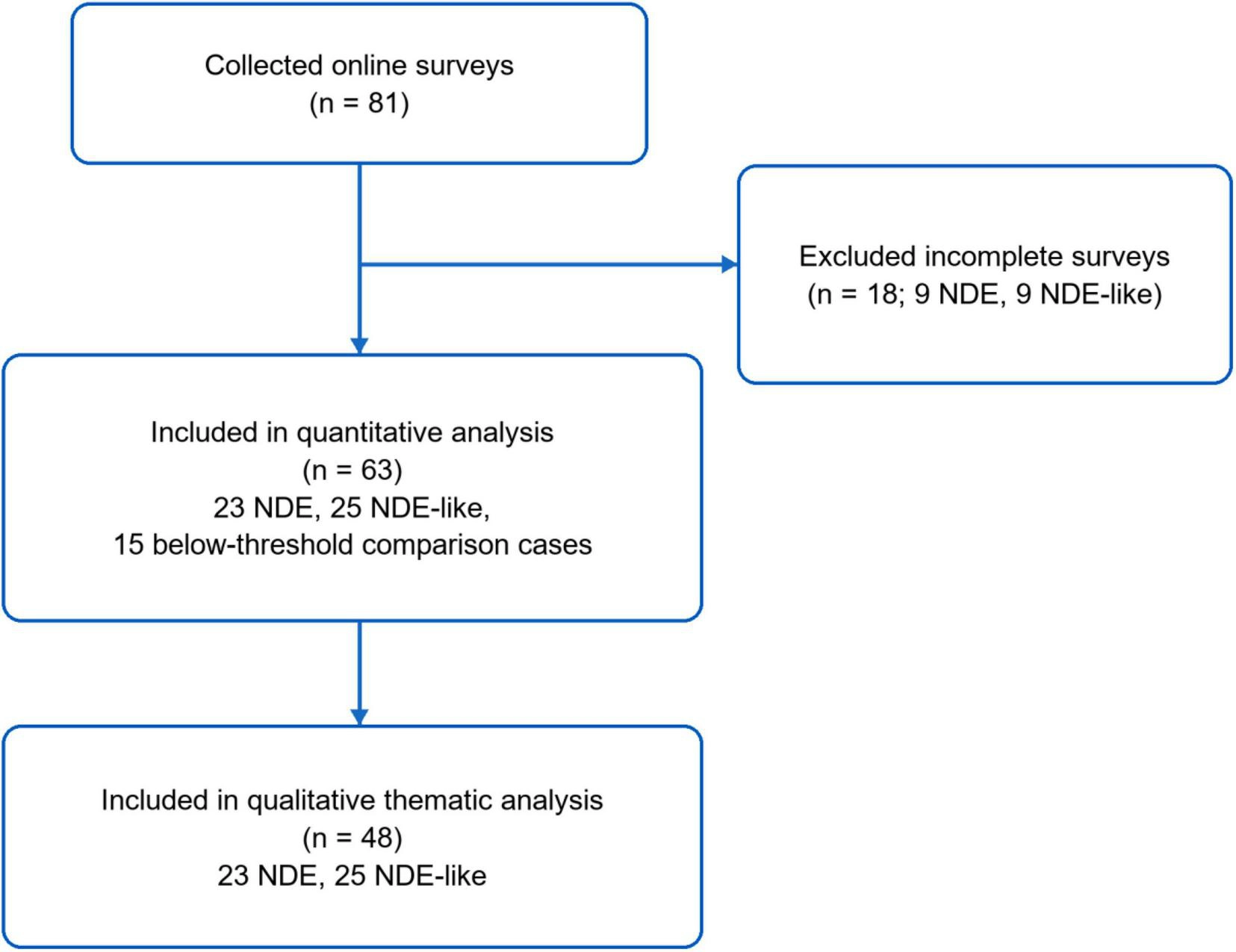
A research team led by Yufei Xue and Haibo Di, with Steven Laureys among the authors, set out to examine experiences reported by people in China. They recruited through Chinese social media rather than hospitals. Of 81 returned questionnaires, 63 passed screening: 23 participants described an experience they said occurred during a life-threatening situation, 25 described a similar experience in other circumstances, and 15 scored below the study questionnaire's threshold. Forty-eight usable narratives from the first two groups formed the qualitative analysis. Events and medical circumstances were not independently verified.
The overlap
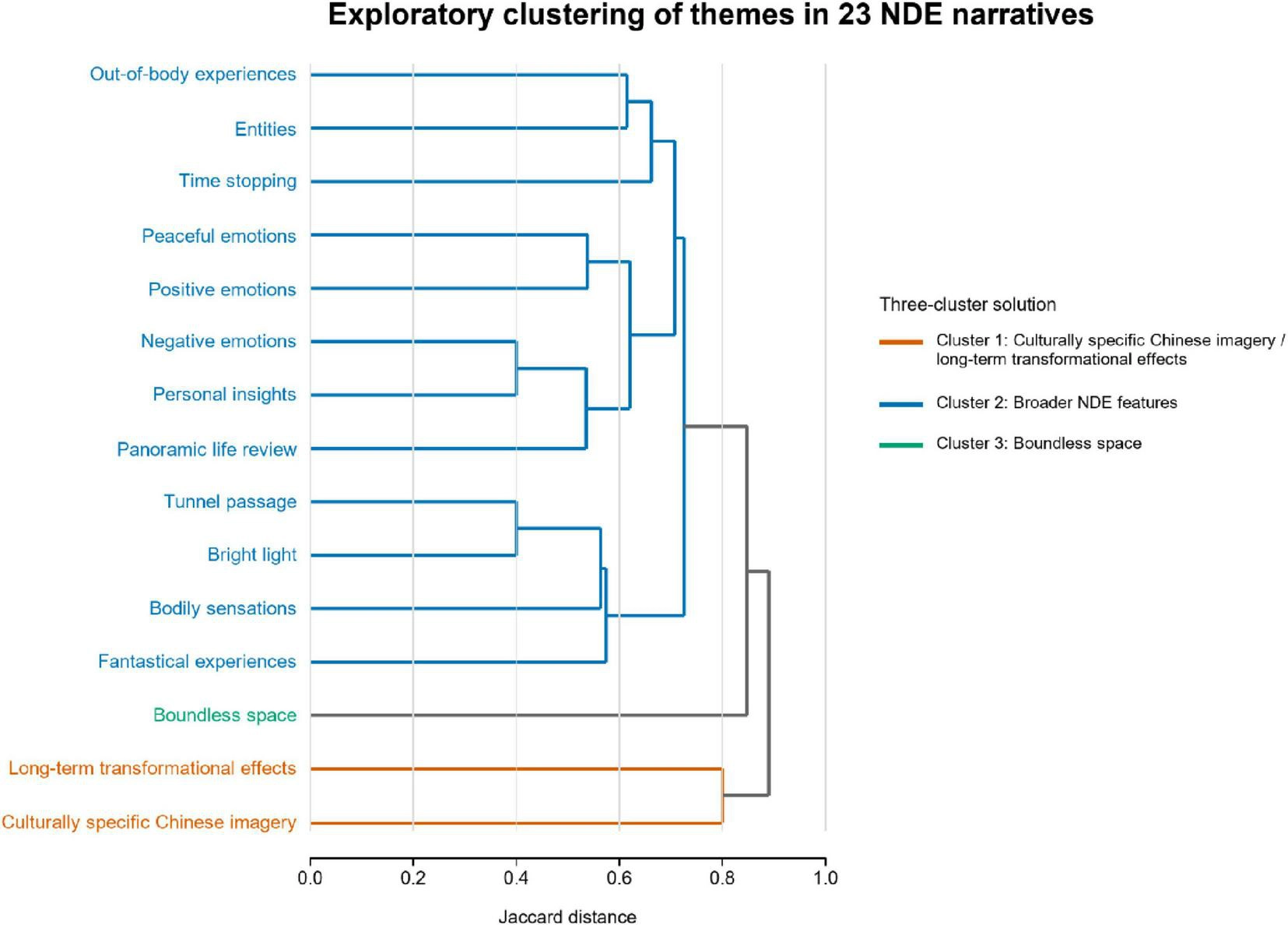
Two researchers coded the narratives for recurring themes. An out-of-body perspective appeared in 10 of 23 narratives in the first group and 7 of 25 in the second. Bright light appeared at precisely the same counts. Bodily sensations appeared in 10 narratives in each group. These motifs were therefore present in accounts of both reported life-threatening events and other altered states, including sleep-related or meditative experiences.
Other features diverged. Peaceful feelings appeared in 12 first-group narratives and 5 second-group narratives. Meetings with loved ones who had died or spiritual figures occurred in 8 narratives in the first group and none in the second. Of the thematic comparisons, this latter difference remained statistically significant after the authors corrected for testing many themes. The sample is too small to treat the proportions as population estimates.
A shared pattern told in local imagery
Distinctively Chinese imagery appeared in 4 of the 23 first-group narratives and 1 of the 25 second-group narratives. Participants mentioned Guimen Pass, the Black and White Impermanence figures, Lord Chenghuang, judgment and reincarnation. These references give concrete names and places to experiences that may otherwise be difficult to describe.
Do cultural expectations shape an experience as it occurs, the way it is remembered, or the words later chosen for it? A retrospective online questionnaire cannot separate these possibilities. The difference in the frequency of Chinese imagery between groups did not remain statistically significant after correction for multiple comparisons. That leaves a good research question rather than an established cultural mechanism.
What this study can carry
This is an exploratory study of self-reported memories. Recruiting online can favor people motivated to share unusual experiences, and there were no medical records to establish the clinical context of each report. The 15 below-threshold respondents appear in the quantitative sample, not in the qualitative theme comparison illustrated here.
The contribution is a carefully coded collection of Chinese accounts in a literature long dominated by Western populations. A stronger next study would gather narratives soon after medically documented events, apply the same coding across cultures and recruit a much larger sample. For now, the paper shows both recurring features and local narrative detail: two people can speak of light and disembodiment while only one recognizes a particular gate.