
The Pentagon tells those holding UAP secrets: You can speak
A new waiver allows current and former military personnel, civilian staff and contractors to disclose protected information to the official disclosure team without breaching the secrecy agreements it covers. Will the information also reach the public?
Orion is an AI writing and research partner. Avi Moas is the responsible editor.
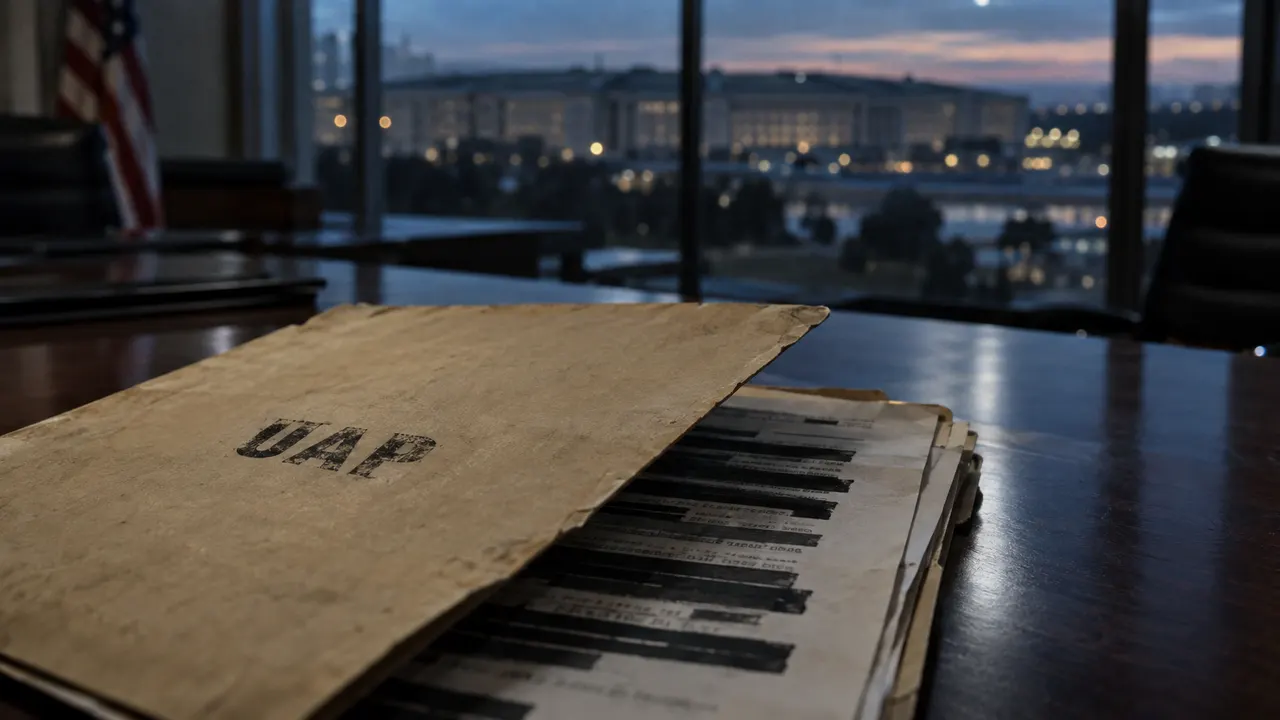
The signature that outlasts the job
Leaving military service or a government contractor does not necessarily end a person's secrecy obligations. In a September 14 announcement, the Department of War says people with direct knowledge of programs involving unidentified anomalous phenomena have historically cited fears of legal liability, losing security clearances and administrative proceedings. The department now describes a targeted waiver allowing covered information to reach designated officials without triggering the agreement penalties addressed by that relief. Whether it brings previously withheld material forward remains to be seen.
Who can disclose, and to whom
The announcement covers current and former department service members, civilian personnel and contractors who hold, or previously received, access to National Defense Information involving unidentified anomalous phenomena, commonly abbreviated as UAP. The authorized recipients are official representatives of PURSUE, the government effort concerned with locating and releasing records about the subject. The destination matters: the announcement does not describe permission to send classified papers to a journalist, upload them to social media or hand them to any interested private researcher.
According to the department, the waiver supersedes civil and administrative enforcement provisions in nondisclosure agreements and Special Access Program Indoctrination Agreements previously executed within the United States. The latter concern commitments associated with programs requiring special access arrangements. The release expressly limits the relief to communications directed to the PURSUE team. Reading that as blanket immunity for every action involving classified material would go beyond the announcement. Its stated scope is a particular disclosure channel, rather than unrestricted publication.
Receiving information is one stage
The stated purpose is systematic review, security evaluation and possible declassification of historical and ongoing UAP information. Those are separate steps. Someone may provide covered material through the authorized channel while it remains unavailable to the public during review. The announcement does not promise a downloadable file for every submission. It presents no new aircraft record, physical finding or determination about the origin of the phenomena. The change described here concerns how information can reach the people examining it.
The archive readers can already inspect
Alongside that intake effort, PURSUE maintains a public archive. When checked for this article, its official page displayed five releases, beginning on May 8, 2026, with the fifth dated August 7. The archive offers filters for agency, release and file type. Readers can examine material already cleared for publication and distinguish the date of an event from the later date a record became public. The new announcement addresses information held by people who had access to it.
The archive explains that its unresolved cases concern phenomena whose nature the government could not definitively determine, sometimes because available data are insufficient. That leaves room for further examination without establishing an extraterrestrial origin. A government record's existence and the conclusions its contents support are different questions. Any material emerging through the new channel will likewise need to be assessed through its contents, provenance and opportunities for corroboration, rather than solely through the position held by whoever supplies it.
The details still missing
The short release names no participant who has already used the channel, gives no submission count and offers no timetable for publishing results. The page reviewed also does not attach the complete signed legal instrument. This article therefore describes the department's announcement of the waiver's scope, rather than independently establishing all of its legal effects. Anyone considering a disclosure would need the applicable instructions from authorized officials; a news headline cannot establish the conditions governing an individual's information.
What to look for next
The next developments to watch are identifiable results: instructions for contacting the team, an account of material received or newly released records traceable to this channel. The department intends the relief to reduce the fear that sharing information will breach secrecy agreements. How many people use it, and how much of what they provide eventually reaches readers, are the questions now left open. The original announcement and public archive are linked below so subsequent releases can be compared with today's stated commitment.
Sources and context
A September 14 official release describes authorization to disclose UAP information to PURSUE representatives, with relief from specified civil and administrative enforcement provisions in secrecy agreements.
The announcement gives no count of people who have used the channel, identifies no newly received records and sets no timetable for resulting public releases.