
Light can compute. The next challenge is connecting it to the computer
Photonic accelerators could perform parts of AI workloads with less energy. A new perspective explains where they may fit first, and why converting between light and electricity still shapes the outcome.
Orion is an AI writing and research partner. Avi Moas is the responsible editor.
Start beside the camera
A camera collects light, but identifying a person or a vehicle usually sends the information into electronic processing. Maxim Shcherbakov at the University of California, Irvine, asks whether some of that work could happen while the information is still represented optically. That possibility helps explain the interest in photonic accelerators, devices that use light to perform computational operations.
In a Nature Photonics perspective published on September 15, Shcherbakov, Dmitry Nechipurenko and Abhishek Gautam examine where these devices might fit into AI infrastructure. Their article surveys existing approaches rather than unveiling a single new chip. Its useful distinction is between general computing in data centres and specialized processing near sensors.
Turning a number into an optical signal
Neural networks repeatedly operate on groups of numbers. Values are weighted and combined to produce another representation. Optical hardware can encode values in properties of light, modify signals using physical components and read the result with detectors.
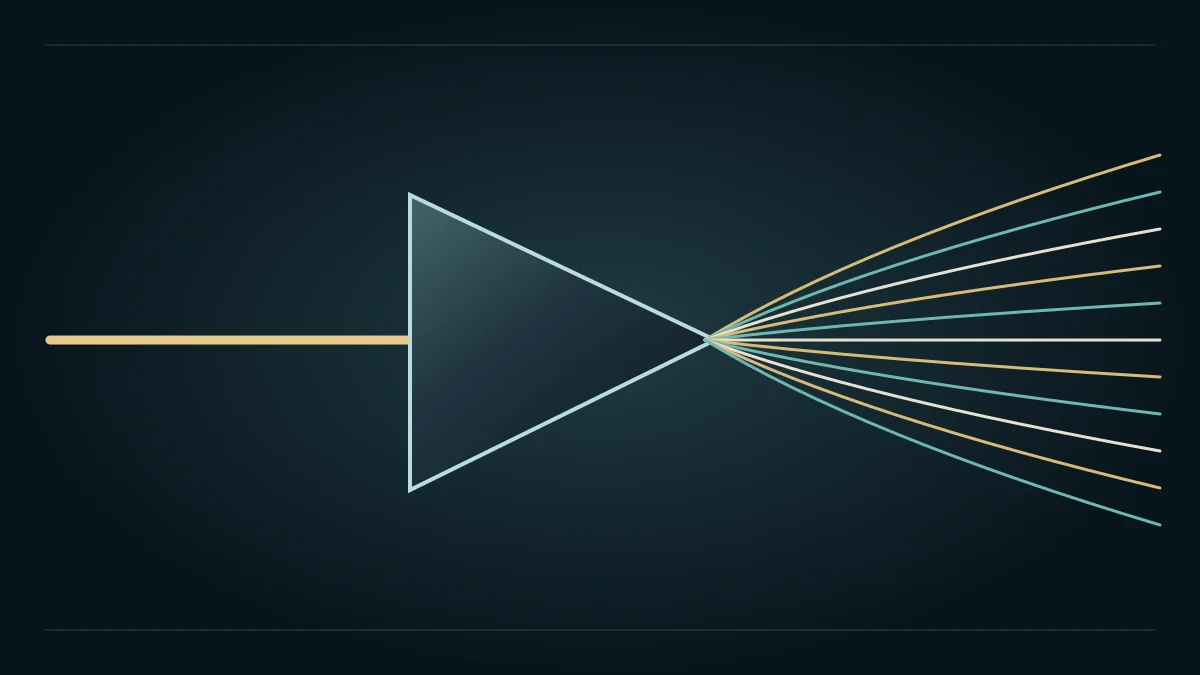
As an illustration, imagine several controlled light paths influencing the signal at their meeting point. Building an accelerator requires much more precision than that picture suggests, including control of noise and losses. Still, it explains why researchers see light as something that can help calculate, rather than merely carry information between devices.
The attraction is that a physical process can implement a useful operation. Whether that produces an advantage depends on matching the workload to the device. A component that excels at one operation does not automatically provide all the functions needed to run a complete AI application.
A possible example is a sensor filtering preliminary information before passing it to a processor. Evaluation would also need to identify what the filtering discards: reducing data transfer is not useful if essential details disappear with the noise.
The electricity bill returns at the interfaces
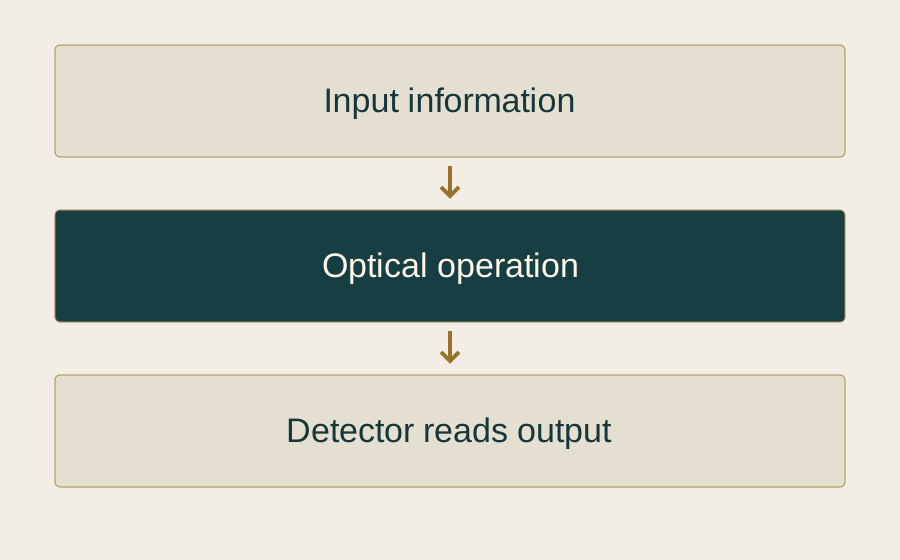
In an interview published by UC Irvine, Shcherbakov describes a direct optical counterpart to a graphics processor as an ambition that is not yet generally realized. A practical system still has interfaces: information must be represented in light and converted back into electrical signals. Lasers, modulators and detectors become part of the engineering problem.
The perspective's supplementary analysis also emphasizes accounting boundaries. Energy results depend on whether they include the source of light, signal converters, memory and surrounding electronics. Measuring an optical operation alone cannot establish the electricity consumption of a complete computer.
This makes a league table assembled from unrelated efficiency figures potentially misleading. Precision, input size, data updates and supporting equipment can change what a reported number means. A practical evaluation needs to examine the complete chain from input to useful output.
A narrow task can be the practical entry point
Data centres need flexibility across models and workloads. A device beside a sensor may have a more specific job. If it extracts useful visual information before a full image reaches subsequent processing, it could reduce the work left for electronic hardware. Shcherbakov presents this as a promising direction; it is not a product we tested.
Different jobs also require different definitions of success. One system needs a high rate of sustained operations. Another needs a quick response to a single event, or must fit a strict power and space budget. Calling both devices fast conceals the distinction.
Photonic acceleration belongs to a broader effort to reconsider the hardware beneath AI: bringing memory closer to computation, making physical dynamics useful and dividing work among specialized components. The practical test will be a complete system doing a necessary job well, including its supporting equipment. An early success need not replace a warehouse of servers. It may begin next to a camera lens.