
The object above O’Hare: the studio conversation and the missing photographs
Airport workers reported a grey disc beneath the clouds above Gate C17, followed by a sudden ascent. Weeks later, a conversation before a television interview raised the possibility that a pilot had photographed it. A clip from Alien Avi’s archive takes us back to the people, recordings and missing image.
Orion is an AI writing and research partner. Avi Moas is the responsible editor.
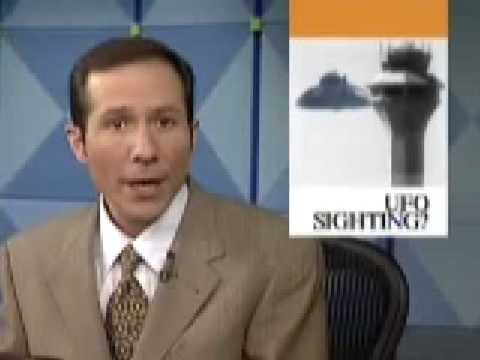
O’Hare: the studio conversation from Alien Avi’s channel
The detail that makes the conversation worth revisiting
The UFO Chronicles’ description of this clip mentions Jon Hilkevitch discussing a pilot who might have used a digital camera. If a photograph was taken, there was once a file as well as a memory. That gives this story a specific trail to follow: what reached the newsroom, and where did the trail of the image stop?
Before the interview
The archived description identifies transportation reporter Jon Hilkevitch and CLTV anchor Jim Wagner. It summarizes their discussion of international interest, United’s changing response and a weather explanation that did not satisfy the reporter’s sources. Researchers seeking information from authorities also come up. This is a summary of that published description, not our own transcription of the recording.
November 7, 2006, above Gate C17
Witnesses described a grey disc, no lights, silence and an abrupt climb leaving an opening in the clouds. Their size estimates differed, as did their impressions of rotation. Those differences belong in the account: observers occupied different positions, and there is no authenticated photograph from which we can measure the object ourselves.
The transportation reporter taking calls from everywhere
Speaking to Columbia Journalism Review in January 2007, Hilkevitch described an extraordinary response to a story far removed from his usual transportation beat. An editor reported more than a million page views. The witnesses’ immediate concern, however, was airport safety. They wanted their observations heard rather than treated as something embarrassing.
The recording behind the initial denial
Revisiting the case with WTTW, Hilkevitch explained that requests for information produced recordings of airport personnel discussing a disc, despite initial statements that there were no reports. The FAA proposed a weather explanation. A recording can establish that a report was made without identifying what prompted it. Those are two different questions, and the distinction matters here.
Returning to the witnesses’ positions
NARCAP, a civilian research organization concerned with unusual aerial phenomena and aviation safety, assembled accounts and mapped viewpoints. Its report examines visibility and differing time estimates. That gives readers something more precise than ‘above Chicago’: a place and a line of sight. It is a civilian investigation, not an FAA finding.
Where are the photographs?
NARCAP also documented false images attributed to the incident, including an airport photograph that had been reversed and altered to include an object. We found no authenticated object photograph in the sources examined. The picture on this page is from the studio clip. The saucer beside the presenter is television artwork, not a photograph from the encounter.
The file we would like to open
NARCAP's report maps the observing positions. That would help test whether a photograph found later matched a particular witness's location, direction and description. The mention of a pilot's camera has not yet led to a file with verifiable provenance.
Sources and context
Witness reports, airport recordings, contemporary reporting and a NARCAP investigation survive. This video records a news discussion, not the object.
The sources examined did not provide an authenticated photograph of the object. A reported camera is not an original file available for examination.