AARO seeks access to the world's largest private UFO archive
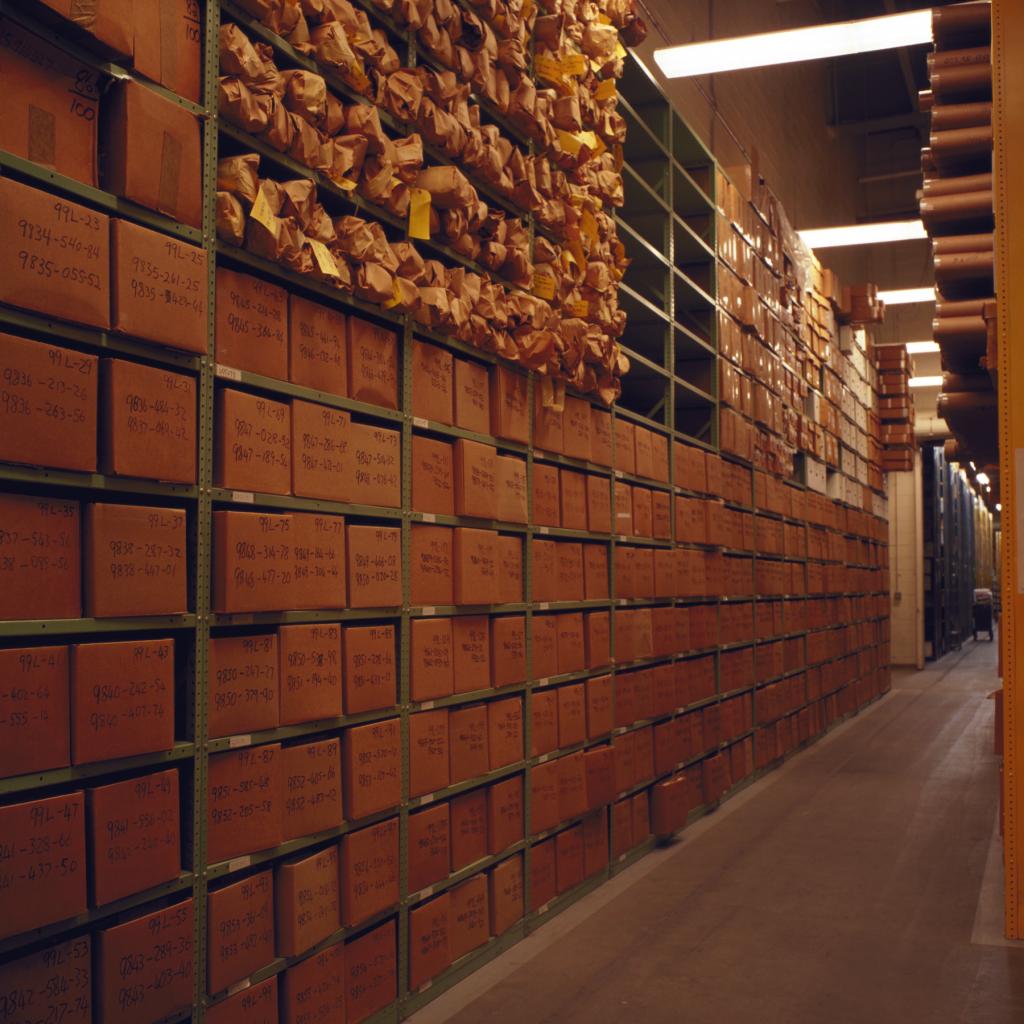
A federal contracting notice shows that AARO wants digital access to the National UFO Historical Records Center in New Mexico. The collection holds hundreds of thousands of case files, recordings and photographs assembled over more than 75 years, including material unavailable elsewhere.
The notice appeared on SAM.gov and was reported on September 2, 2026. A Defense Department official said the purchase concerns an existing data subscription, not advisory work. The proposal includes a one-year base period and four one-year options, with emphasis on records created before 1990.
No contract value, final award, complete list of accessible collections or publication terms has been released. It also remains unclear which discoveries could be made public and which would remain available only to AARO analysts.
The government turns to an archive built outside government
On September 2, 2026, a Defense Department notice revealed that the All-domain Anomaly Resolution Office is seeking a commercial subscription to the digital holdings of the National UFO Historical Records Center, or NUFOHRC. For decades, civilian researchers used public-record requests and personal contacts to recover fragments from government files. The office now reconstructing the official UAP history wants access to an archive preserved by those researchers, their families and organisations that rescued material after formal investigations ended.
What AARO is actually seeking
According to the notice and details provided to DefenseScoop by a Defense Department official, AARO is not hiring the centre to write its conclusions. It wants access to an existing subscription containing proprietary data, metadata and analytical products. The proposed arrangement consists of a one-year base period followed by four optional one-year periods. Its emphasis is material predating 1990, when reports were often stored on paper, microfilm, audio tape or photographic film and never entered into a single searchable government system.
The official described NUFOHRC as the world's largest private collection of historical UAP records, including hundreds of thousands of unique case files unavailable in any other repository. The New Mexico centre collects books, journals, newspaper files, correspondence, photographs, audio, video and physical artefacts spanning more than 75 years. Much of it arrived from veteran researchers or their families after retirement or death. In some cases, a private cabinet or family storage room may hold the last surviving copy of an interview, photograph or investigative file that disappeared from an institutional collection.
The centre is founded and led by historian David Marler, who has investigated the subject for more than three decades. Its holdings include material from the Center for UFO Studies, the personal files of astronomer J. Allen Hynek, who served as scientific consultant to the Air Force's Project Blue Book, and records associated with long-running civilian organisations including NICAP and APRO. Their value does not depend on every report being accurate. It comes from the ability to compare early accounts, dates, letters, photographs and witness identities before decades of retelling compressed them into familiar legends.
Congress directed AARO to produce a comprehensive historical account of United States government involvement with UAP dating to 1945. The early decades are the hardest to reconstruct. Records were scattered across military branches, intelligence bodies and civilian offices. Some were destroyed, transferred or stored without a modern index. A civilian archive can preserve copies of government correspondence, exchanges with military bases, interviews made close to an event and local reporting. Cross-referencing those sources may reveal gaps in a timeline, recover forgotten records and connect an official memorandum to the witnesses and locations it describes.
NARA has separately established Record Group 615 for federal UAP records that agencies were ordered to identify and transfer. The two efforts are complementary but not interchangeable. NARA manages government records and public access to them. AARO's proposed subscription would give analysts access to private material and metadata that may never have entered federal custody. Buying access does not automatically place those records in the public domain, open the entire private collection or confer official status on every claim it contains.
The notice is not an admission that the government recovered non-human technology, and it does not authenticate the archive's reports. It is a research purchase intended to enlarge the evidence base and fill holes in the historical record. Yet dismissing it as routine software procurement would miss the point. By saying that no other organisation has the required depth, unique records and specialist capability, the department acknowledges that a substantial portion of the phenomenon's institutional memory survived outside the state.
The real value of the arrangement will be measured after analysts enter the database. If searches locate missing government records, early witness files or new connections between incidents, the underlying sources and the method of comparison should be published wherever law and privacy permit. Otherwise, an odd reversal could occur: material preserved by civilians would flow back into government and disappear again behind a closed system. AARO's move toward NUFOHRC is important news. The more consequential outcome would be a historical record that researchers outside the Pentagon can inspect, cite and challenge.